Prevention & Safety Resources
Fire prevention starts before the emergency happens. Central Douglas Fire & Rescue provides these resources to help residents, businesses, contractors, developers, and event organizers understand fire and life-safety requirements and reduce hazards before they become emergencies.
Whether you are planning a project, opening a business, organizing an event, conducting outdoor burning, or looking for ways to make your home safer, the information below can help. If you cannot find what you are looking for, contact Central Douglas Fire & Rescue at fireprevention@cdfr-or.gov
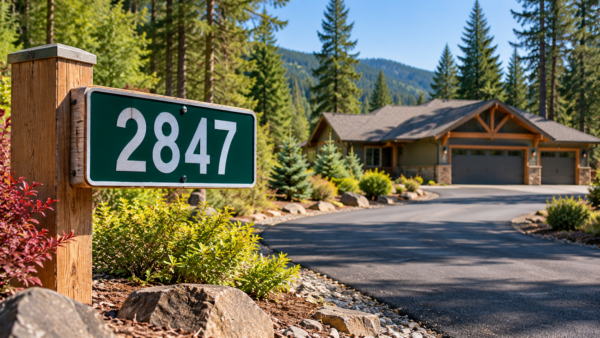
When you call 911, firefighters and paramedics need to find you quickly. A clearly marked address can save valuable time, especially at night, in bad weather, or on a long or difficult driveway.
Make sure your address numbers are large enough to see from the road, contrast with the background, and are not hidden by trees, landscaping, vehicles, or other obstructions. If your home is difficult to see from the road or is on a private road, you may need additional address identification.
If you are not sure what type of address sign you need or where to place it, contact Central Douglas Fire & Rescue before installing it.
Key points
- Keep address numbers visible from the road.
- Use numbers that are easy to read from a distance.
- Keep vegetation and other obstructions trimmed away from the sign.
- Make sure private-road properties are clearly identified.
- Contact CDF&R if you have questions about your address identification.
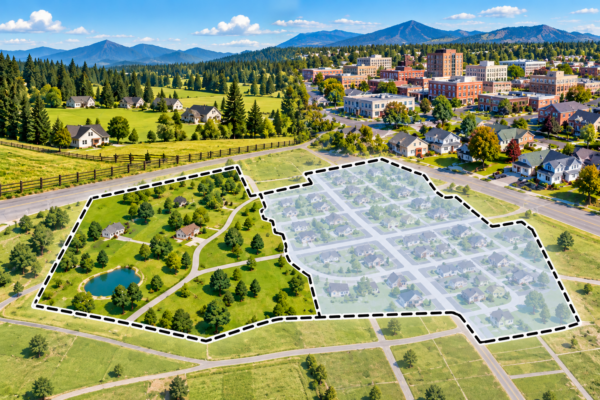
If your property is outside the Central Douglas Fire & Rescue service area, you may have questions about joining the district. Annexation is a legal process, and requirements can vary depending on the property’s location and circumstances.
CDF&R can help explain the process and direct property owners to the appropriate information and forms. If you are considering annexation, we recommend contacting the district before you start so you know what information you will need.
Key points
- Confirm whether the property is currently within the CDF&R service area.
- Contact CDF&R to discuss the property and proposed annexation.
- Have the property address and tax-lot information available.
- Complete the required paperwork and coordinate with the appropriate governmental agency.
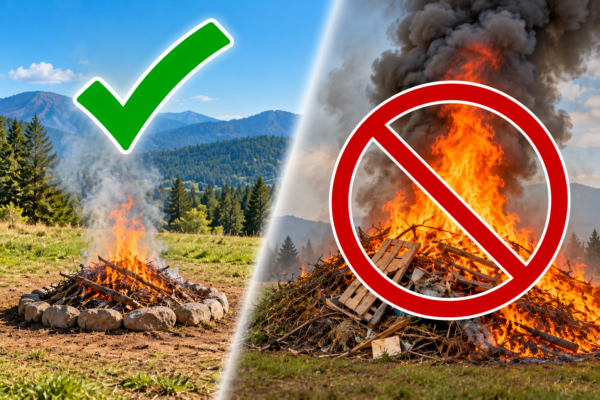
Before you burn, know the rules and check current conditions. A small backyard burn can become a serious fire quickly when conditions are dry or windy.
Within the CDF&R service area, residential burning is limited to yard trimmings, leaves, and brush and is allowed only during permitted periods and daylight hours. Burn barrels are prohibited. Burning is not allowed during a declared fire season or total burn closure.
Before starting a burn, call 541-673-5503 and select option 1 to make sure it is a burn day. Keep the fire attended and have a charged hose or other approved extinguishing equipment immediately available.
Key points
- Check that burning is allowed before starting.
- Burn only permitted materials.
- Do not burn garbage, plastics, tires, roofing materials, or other prohibited materials.
- Keep required clearance from buildings and combustible materials.
- Never leave a burn unattended.
- Completely extinguish the fire before leaving the area.
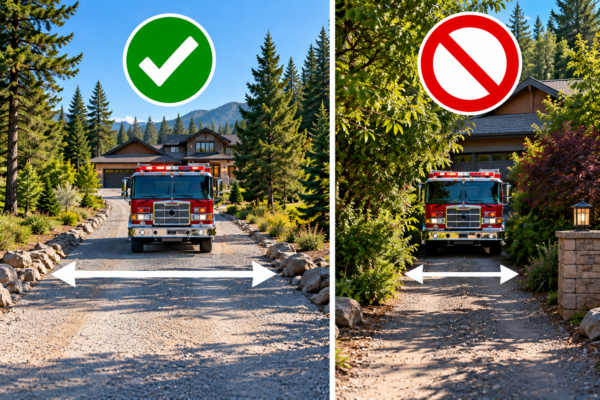
Fire apparatus need enough room to reach your home or business. A driveway that works for a passenger vehicle may not provide enough room for a fire engine, ambulance, or other emergency vehicle.
When building a new driveway or private road, or making significant changes to an existing one, consider width, vertical clearance, grades, turning areas, gates, bridges, and other access requirements. Planning for emergency access before construction starts can prevent costly changes later.
Key points
- Keep emergency access routes clear of vehicles and other obstructions.
- Provide the required width and vertical clearance.
- Provide approved turnaround areas where required.
- Ensure emergency crews can access gates and barriers.
- Consider bridge weight limits and road conditions.
- Contact CDF&R before construction if you are unsure whether your access meets requirements.
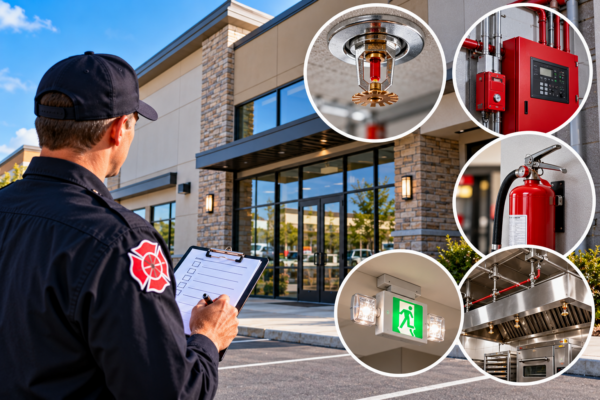
Fire inspections are intended to find problems before they become emergencies. Depending on the type of building or business, an inspection may look at exits, fire extinguishers, fire protection systems, storage, cooking equipment, electrical conditions, fire lanes, and other fire and life-safety issues.
Property owners and businesses can help by keeping exits clear, maintaining required fire protection equipment, and correcting hazards when they are identified. If you have questions about an inspection or a correction notice, contact Central Douglas Fire & Rescue: fireprevention@cdfr-or.gov
Key points
- Keep exits and exit paths clear.
- Keep fire extinguishers and other fire protection equipment accessible.
- Do not block fire lanes or emergency access.
- Keep combustible storage away from ignition sources.
- Maintain required fire doors, alarms, sprinklers, and other systems.
- Correct identified hazards within the required timeframe.
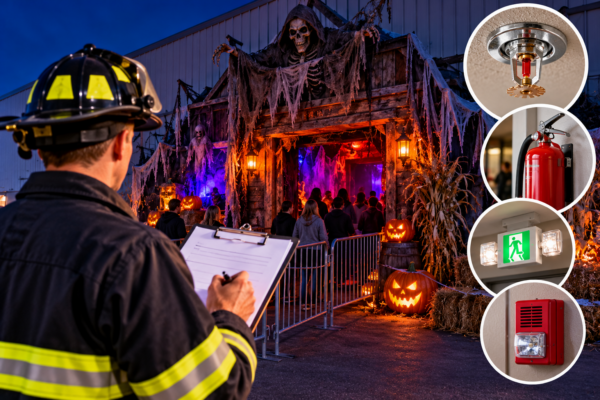
Haunted houses and other temporary attractions can create unusual fire and life-safety concerns. Darkened rooms, temporary construction, special effects, combustible decorations, and large crowds can make an emergency evacuation more difficult.
If you are planning a haunted house, escape room, corn maze, or similar attraction, contact Central Douglas Fire & Rescue early in the planning process. The 2025 Oregon Fire Code contains requirements for special amusement areas, including requirements that may apply to exits, fire protection systems, permits, emergency lighting, and other safety measures.
The attraction must be reviewed and approved before opening when an inspection or permit is required.
Key points
- Contact CDF&R before setup is complete.
- Obtain required permits.
- Keep required exits and exit paths clear.
- Maintain required emergency lighting and fire protection systems.
- Use decorations and special effects in accordance with the fire code.
- Make sure employees know emergency procedures.
- Schedule required inspections before opening.
Please click the following link to be directed to the Central Douglas Fire & Rescue Authority’s Haunted House Requirements
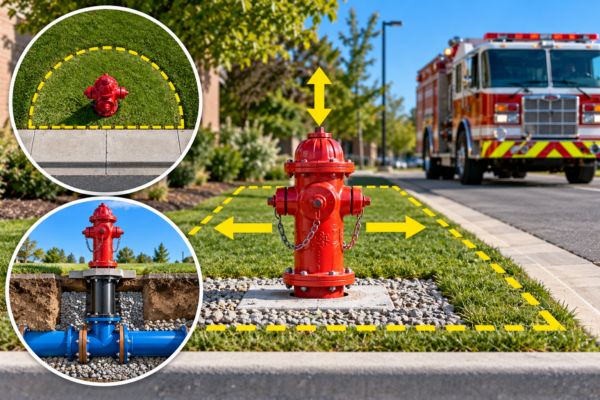
Fire hydrants are an important part of the community’s fire protection system. During a fire, crews need to be able to find, access, and operate hydrants quickly.
New construction and development projects may require hydrants based on building size and use, required fire flow, road layout, and other factors. Developers and contractors should coordinate hydrant locations and installation requirements with CDF&R and the appropriate water provider early in the project.
Key points
- Keep hydrants visible and accessible.
- Do not block hydrants with vehicles, landscaping, fences, or other objects.
- Coordinate hydrant locations during project planning.
- Use approved installation materials and methods.
- Complete required testing and acceptance before placing the system in service.
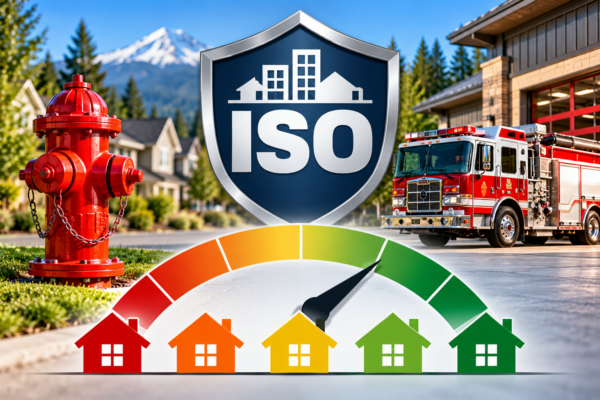
Community fire protection is one factor insurance companies consider when evaluating risk. The Insurance Services Office (ISO) Public Protection Classification system evaluates community fire protection resources, including the fire department, communications, and water supply.
CDF&R can provide information about the department’s fire protection resources and applicable classification. Your insurance company determines how that information affects your individual policy or premium.
Key points
- CLASS 3 – For property located within 1000 feet of a hydrant.
- CLASS 3Y or 4 – For property over 1000 feet from a hydrant but within 5 road miles of one of our stations.
- CLASS 10W (hauled water endorsement) – For property located more than 5 miles but less than 7 road miles from one of our stations.
- CLASS 10 – For any property located more than 7 road miles from one of our stations, but within the Fire Authority’s service area.
- UNPROTECTED – For any property not annexed into the Fire Authority.
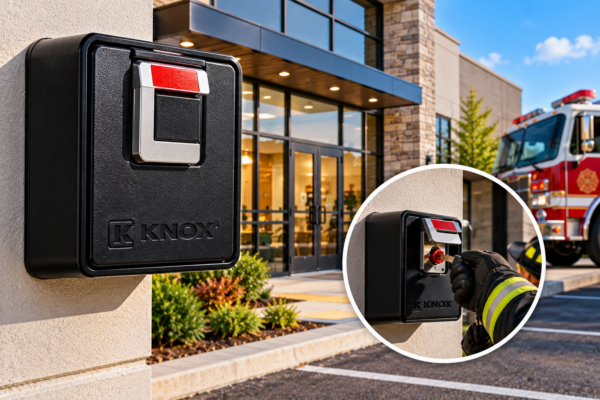
A Knox Box gives firefighters secure access to keys or other approved access information when no one is available to open a building during an emergency. Having the right access information can prevent unnecessary delays and, in some situations, reduce the need for forced entry.
Businesses and other properties that require emergency access should contact CDF&R to determine whether a Knox Box is required or recommended and where to install it.
Key points
- Use an approved Knox product.
- Coordinate the installation location with CDF&R, as needed.
- Keep keys and access information current.
- Update the box whenever locks or access arrangements change.
- Contact CDF&R if the building’s emergency access changes.
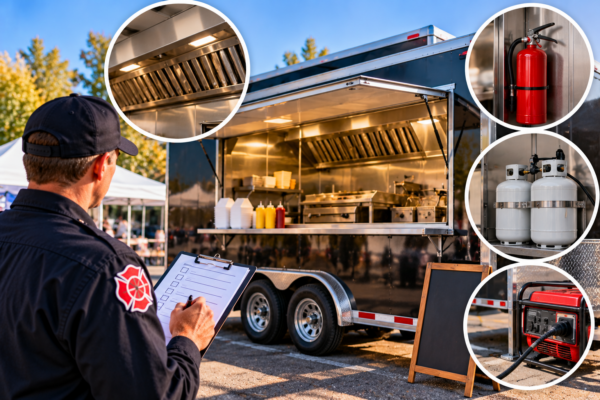
Food trucks and other mobile food units use cooking equipment, propane, generators, and electrical systems that can create significant fire hazards. Oregon’s current fire code includes specific requirements for mobile food units.
Operators should review the requirements before operating at a business, festival, special event, or other location. Requirements can include permits, fire extinguishers, cooking equipment, exhaust hoods, propane systems, generators, electrical equipment, exits, and fire apparatus access.
Key points
- Obtain required permits.
- Keep fire lanes, hydrants, and emergency access clear.
- Maintain required separation from buildings and combustible materials.
- Keep exits clear.
- Operate generators safely and never refuel while running.
- Maintain required cooking and fire protection equipment.
- Install and maintain propane systems as required.
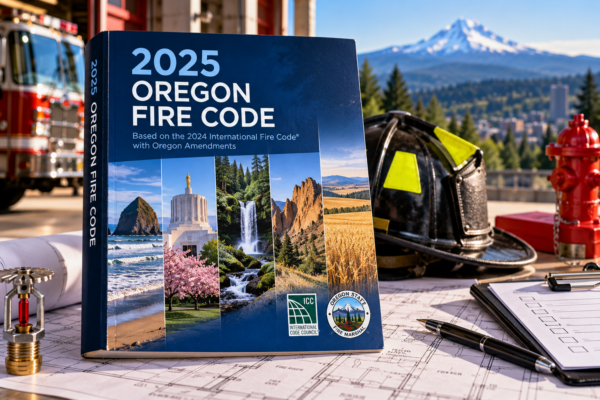
The Oregon Fire Code establishes fire and life-safety requirements for buildings, businesses, special events, fire protection systems, hazardous activities, and other situations.
The current Oregon Fire Code is the 2025 edition, which became effective October 1, 2025. Because the code is updated periodically, make sure you are using the current edition and any applicable Oregon amendments or errata.
Key points
- Use the current 2025 Oregon Fire Code.
- Check the Oregon State Fire Marshal’s for current code resources.
- Review applicable Oregon amendments.
- Contact CDF&R or the appropriate building official when you need help interpreting a requirement.
- Remember that other Oregon specialty codes and local requirements may also apply.
Some projects, activities, businesses, and events require a fire prevention permit or approval before they begin. Permits give fire officials an opportunity to review potential hazards and make sure required safeguards are in place.
If you are not sure whether your project or activity requires a permit, contact CDF&R before you begin. It is much easier to address requirements during the planning stage than after construction, or an event is underway.
Key points
- Determine whether a permit is required.
- Provide required plans and supporting information.
- Allow time for review and corrections.
- Pay applicable fees when required.
- Complete required inspections before opening or beginning the activity.
Central Douglas Fire & Rescue enjoys opportunities to meet with community members and provide fire and life-safety education.
Schools, community organizations, businesses, and other groups can request a station visit, fire apparatus visit, safety presentation, or other appropriate community outreach activity. Please submit requests as early as possible. Emergency response and operational needs always take priority.
Key points
- Provide the date, time, and location.
- Include expected attendance.
- Describe what you would like CDF&R to provide.
- Identify any special equipment or demonstrations requested.
- Wait for confirmation before advertising a scheduled department appearance.
UNDER CONSTRUCTION – COMING SOON!
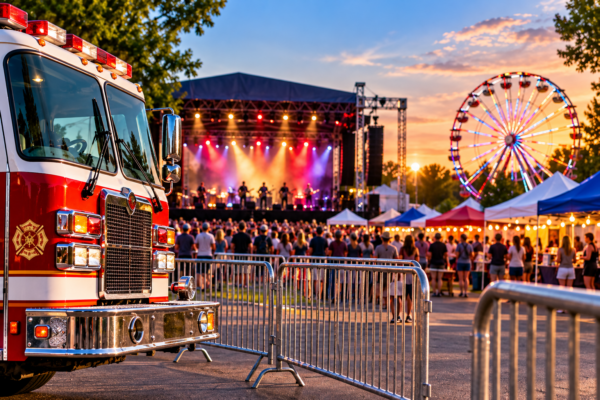
Please click the following link to be directed to the Central Douglas Fire & Rescue Authority’s Special Event Requirements


Questions?
For more information about fire prevention and inspections, message us below or call 541-673-5503.